Capabilities
Our Equipment
Machining Complex Specs Into Precision Reality
OVERVIEW
In 1985, High Tech Turning was founded on the principle of having the most “high tech” equipment available for precision machining. At that time, this meant using the newly-introduced technology of computer numeric control (CNC) to guide the tool paths when machining parts.
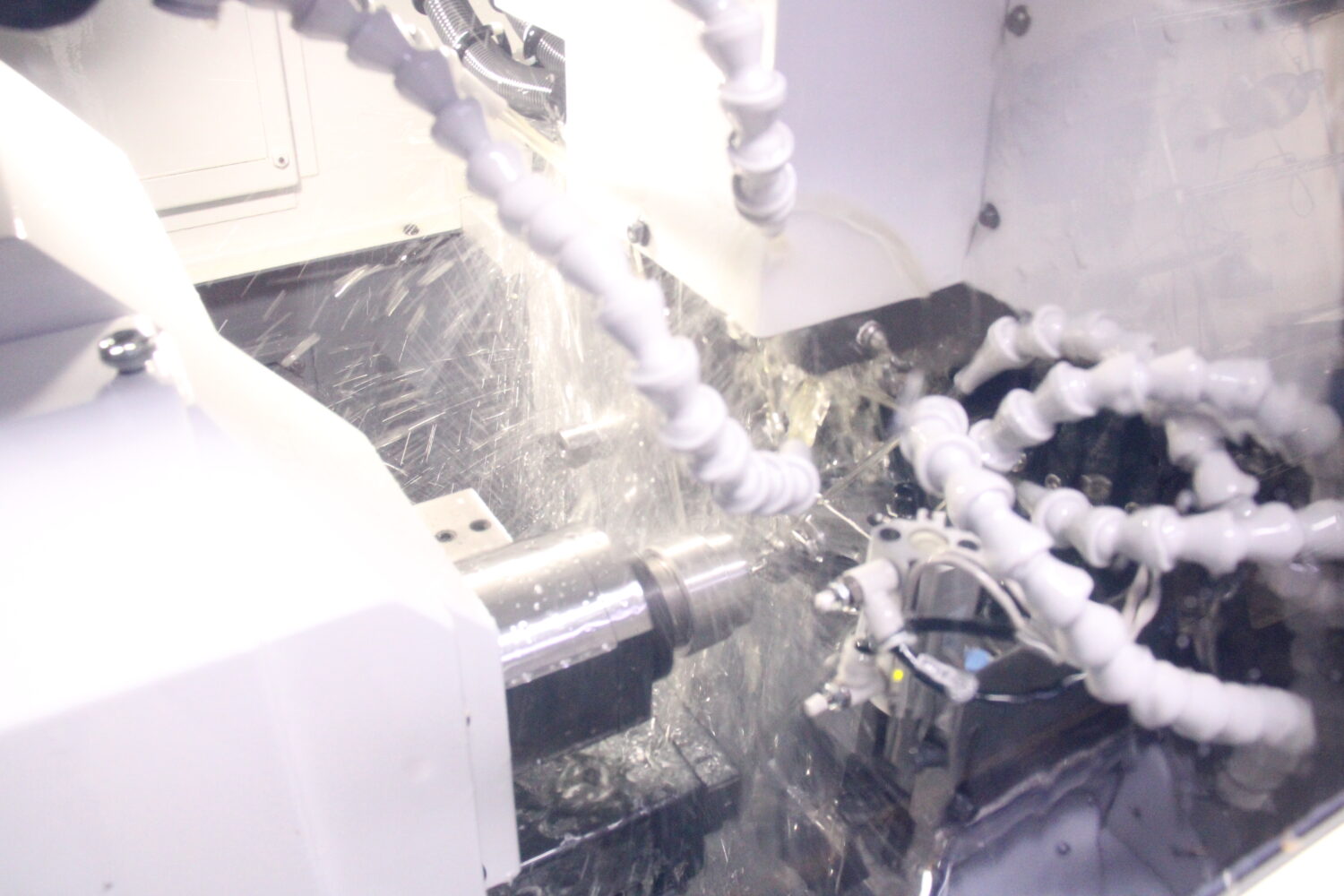
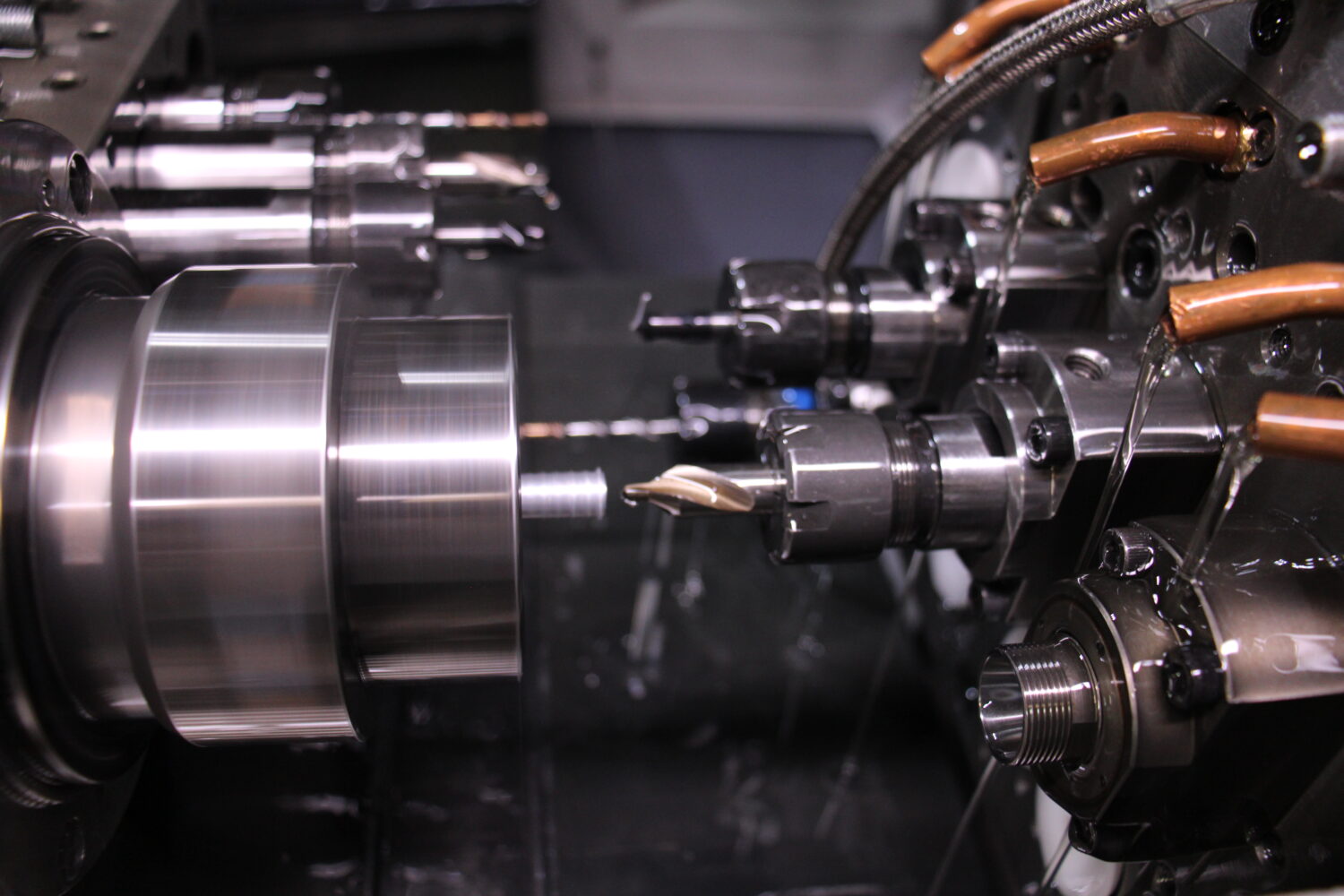
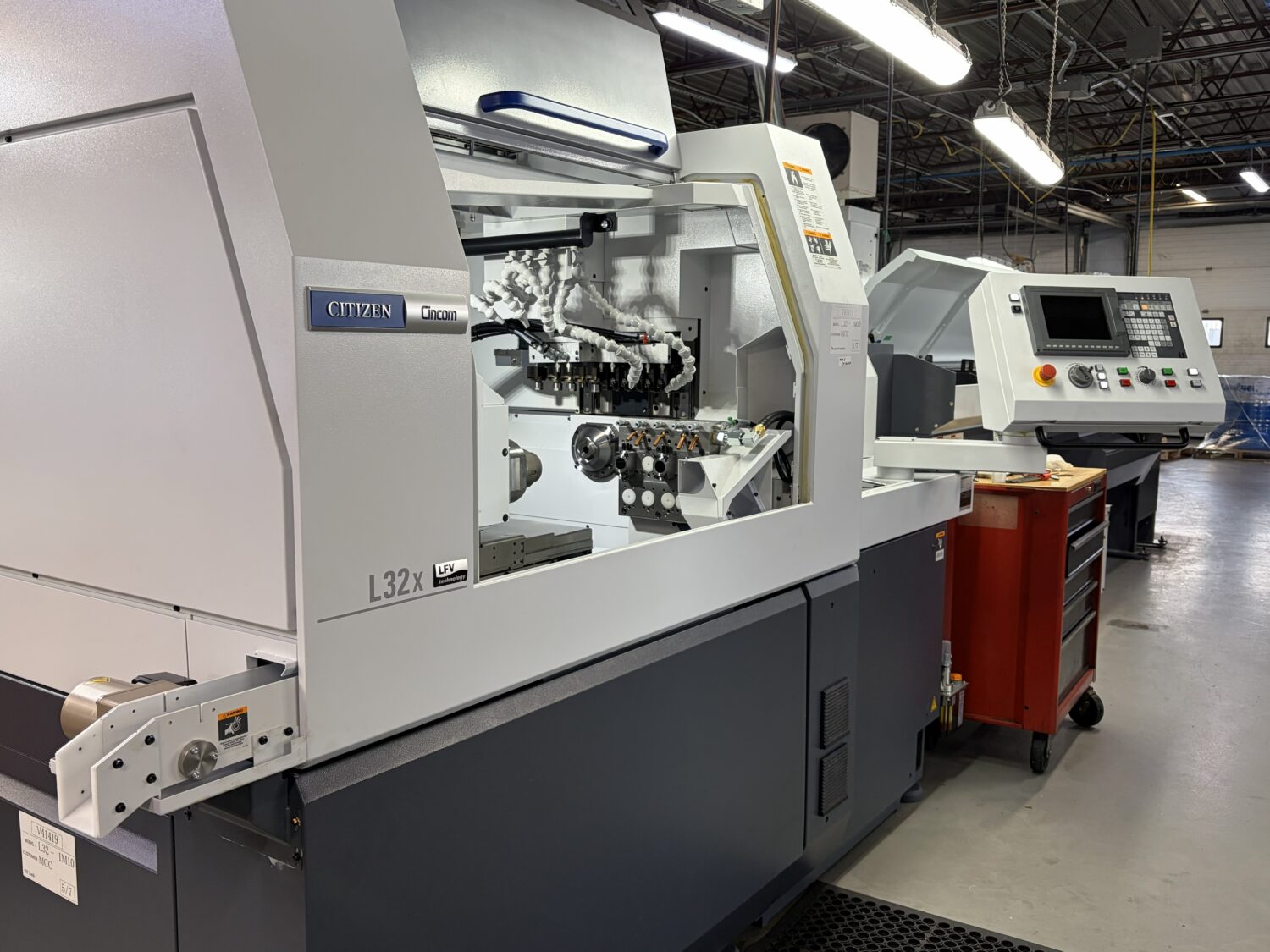
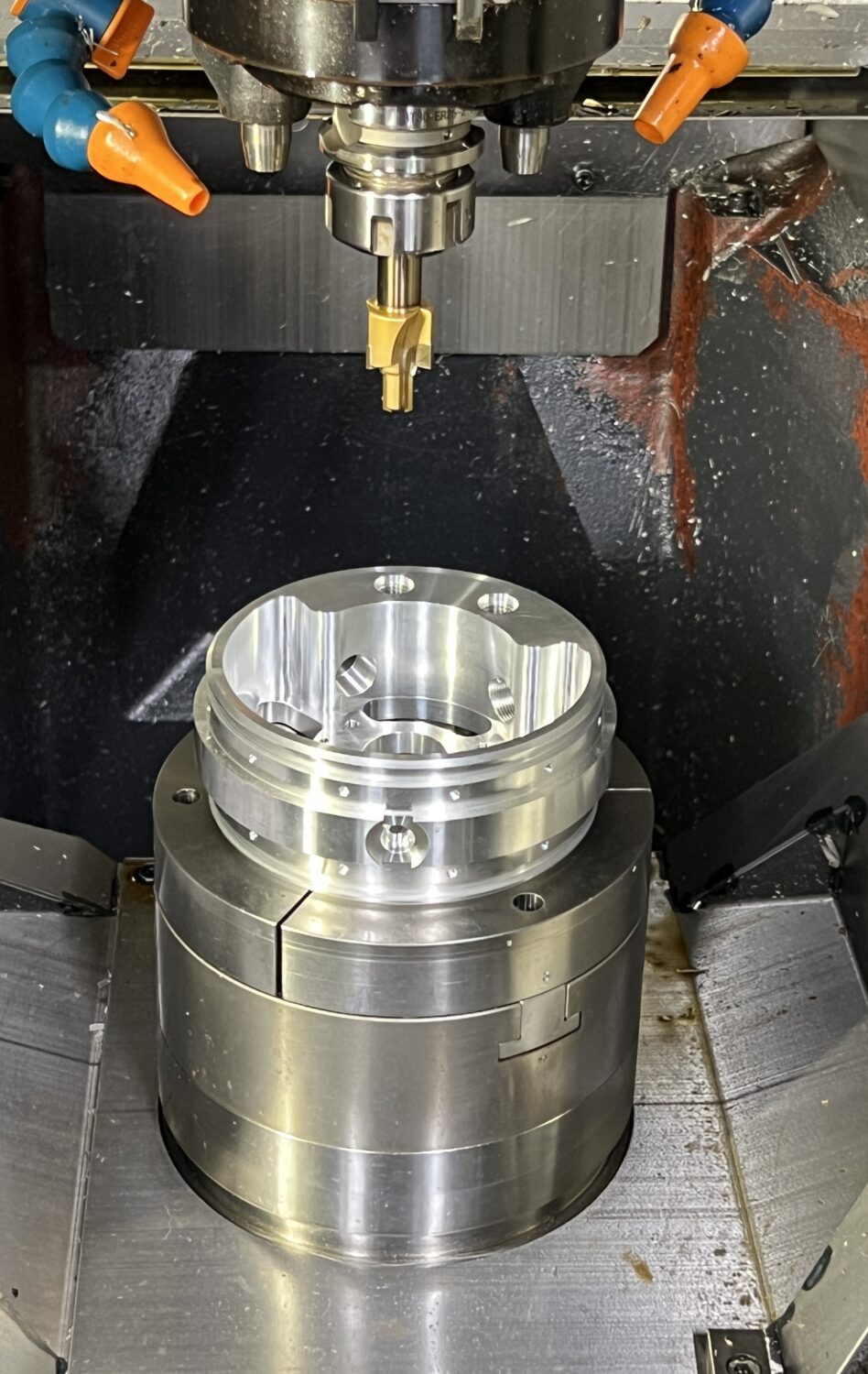
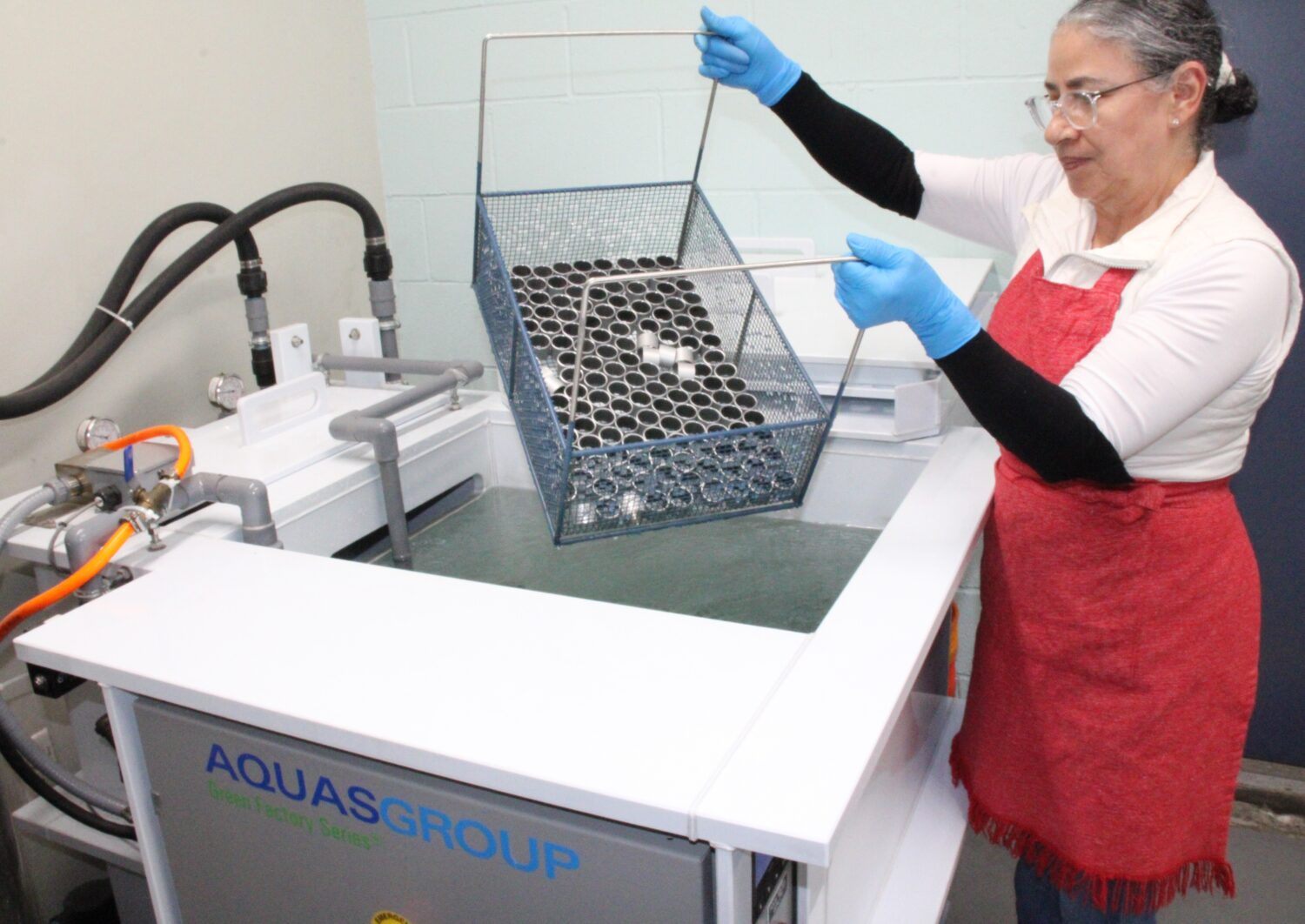
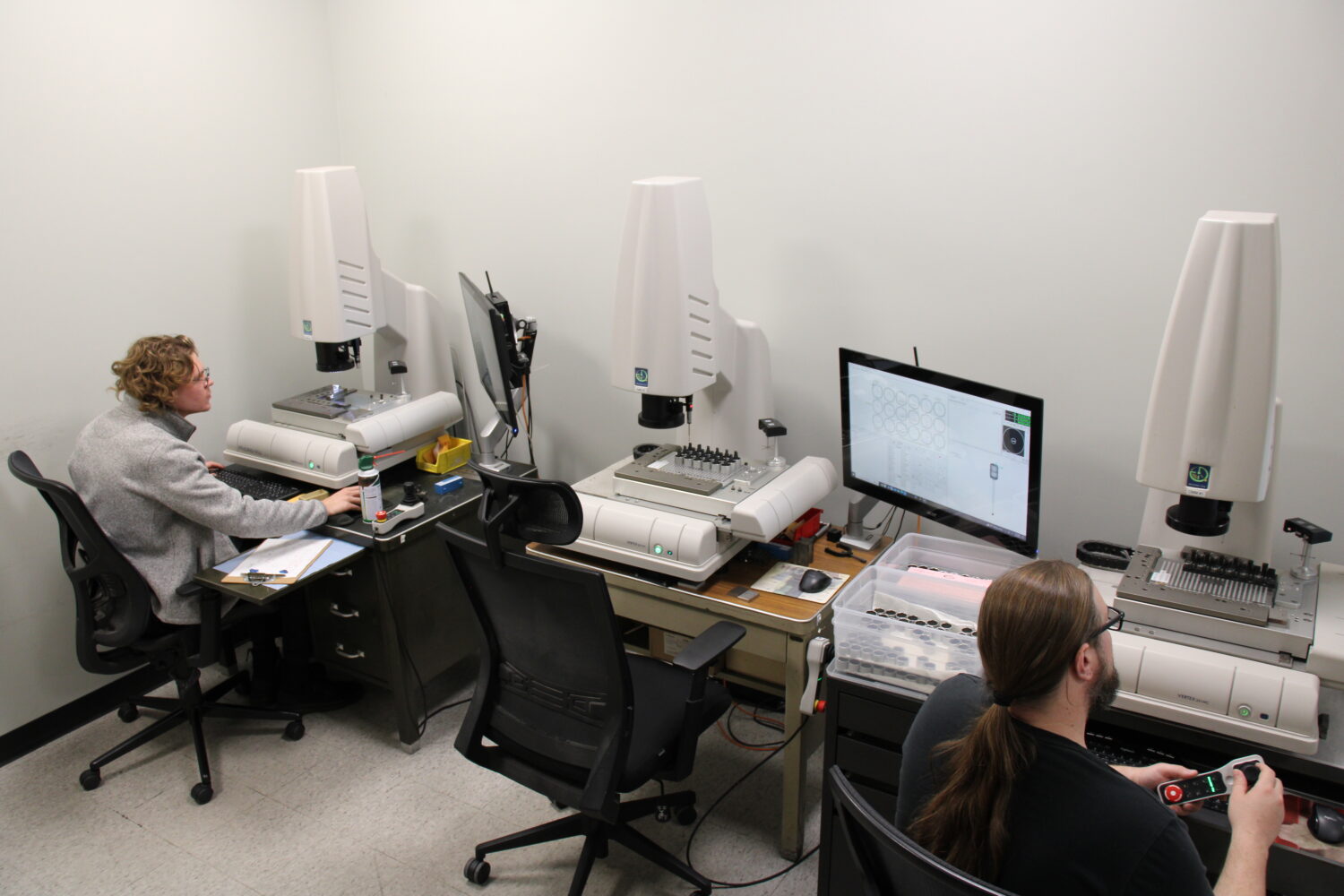
Today, that means 5-axis milling and 9-axis CNC Swiss lathes with pick-offs that can complete a part in one operation (link to Process). It also means employing low-frequency vibration (LFV) machining on our CNC Swiss lathes and high-pressure coolant to eliminate chip build-up. It means utilizing computerized programmable vision and touch probe measuring systems to verify your parts. And it even means innovating in our secondary processes, including ultrasonics and making our own de-ionized water for part cleaning.
In our ongoing quest for continuous improvement, we invest in new equipment every year to make sure our team and customers have access to the latest technology. This is why many of our most valued customers have trusted HTT to supply their precision machined components for over 40 years.
Equipment
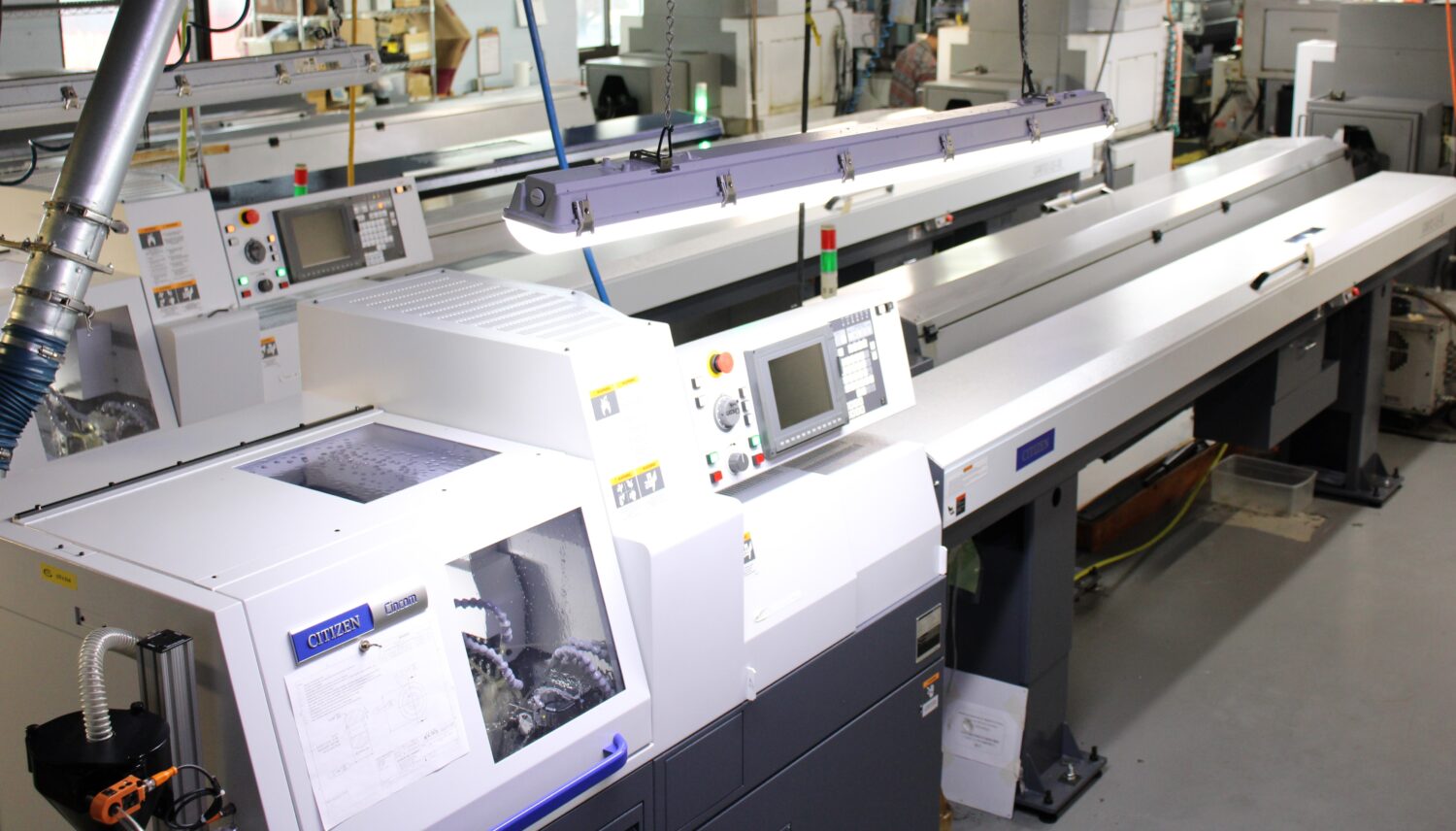
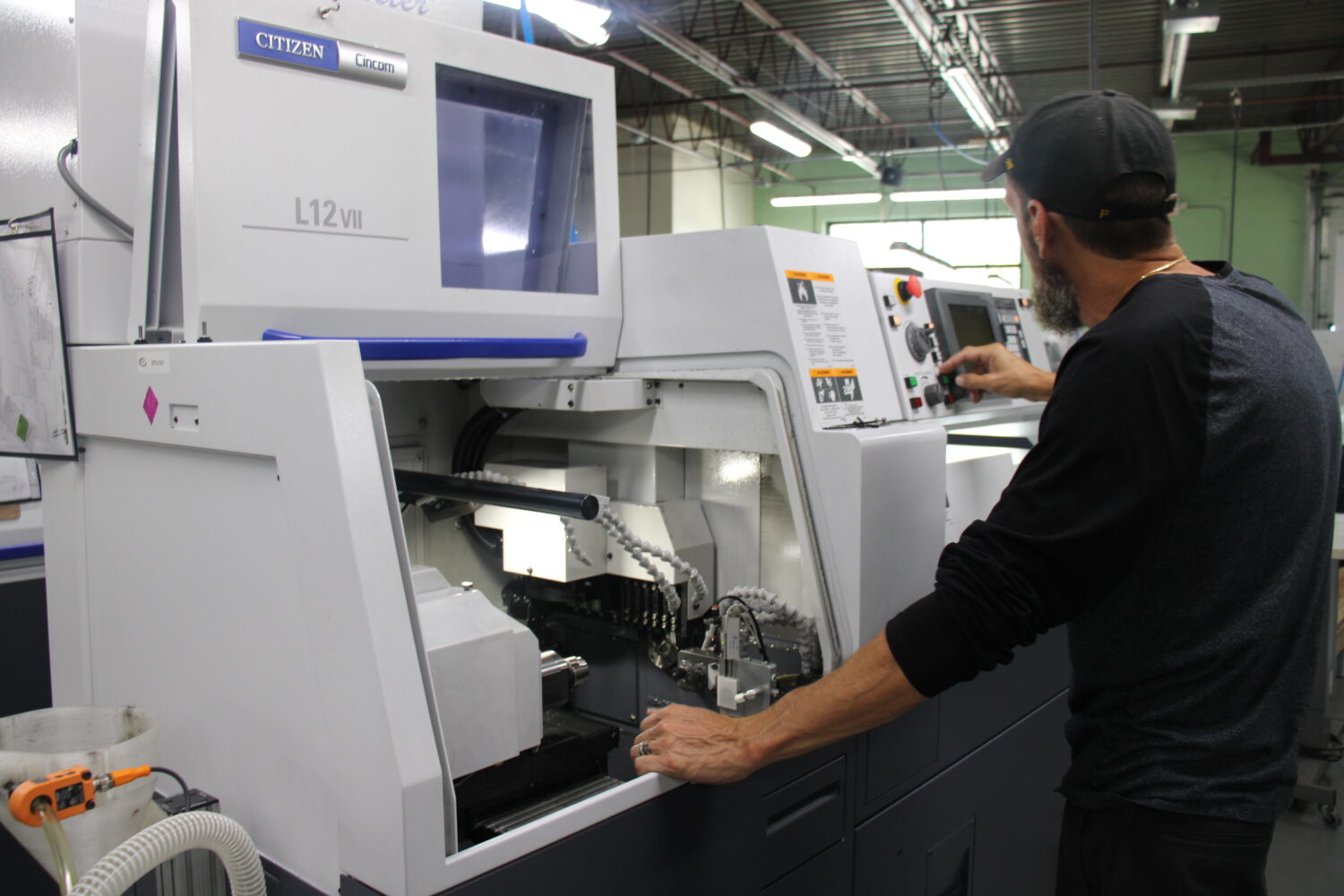
(32) Turning Centers
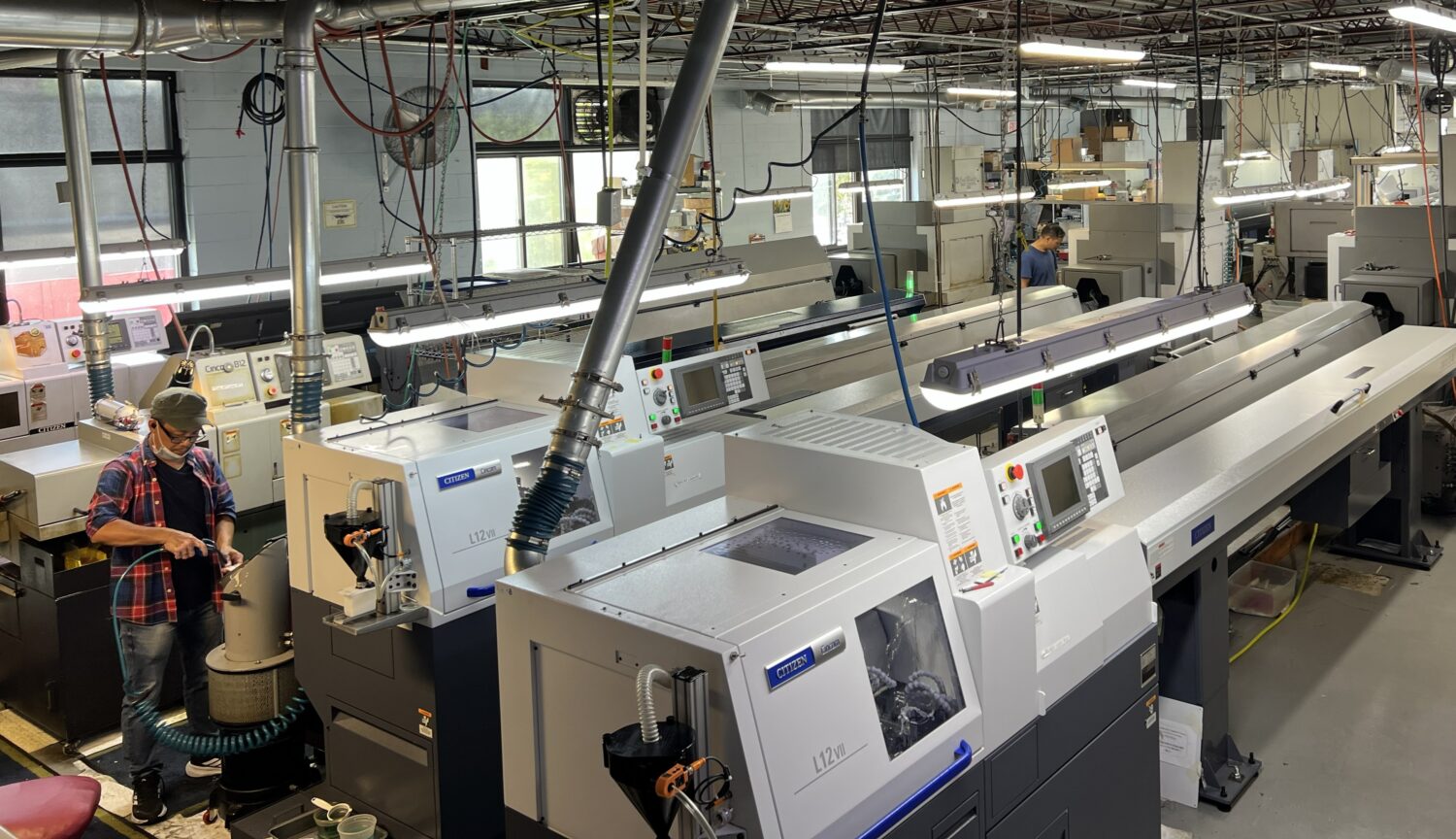
| (10) Citizen L12 | 7-Axis Swiss Lathe | 12mm diameter bar capacity |
| (6) Citizen B12 | 5-Axis Swiss Lathe | 12mm diameter bar capacity |
| (4) Citizen L20 | 7-Axis Swiss Lathe | 20mm diameter bar capacity |
| (5) Citizen A20 | 7-Axis Swiss Lathe | 20mm diameter bar capacity |
| (3) Citizen L32 | 8-Axis Swiss Lathe | 32mm diameter bar capacity |
| (2) Citizen A32 | 7-Axis Swiss Lathe | 32mm diameter bar capacity |
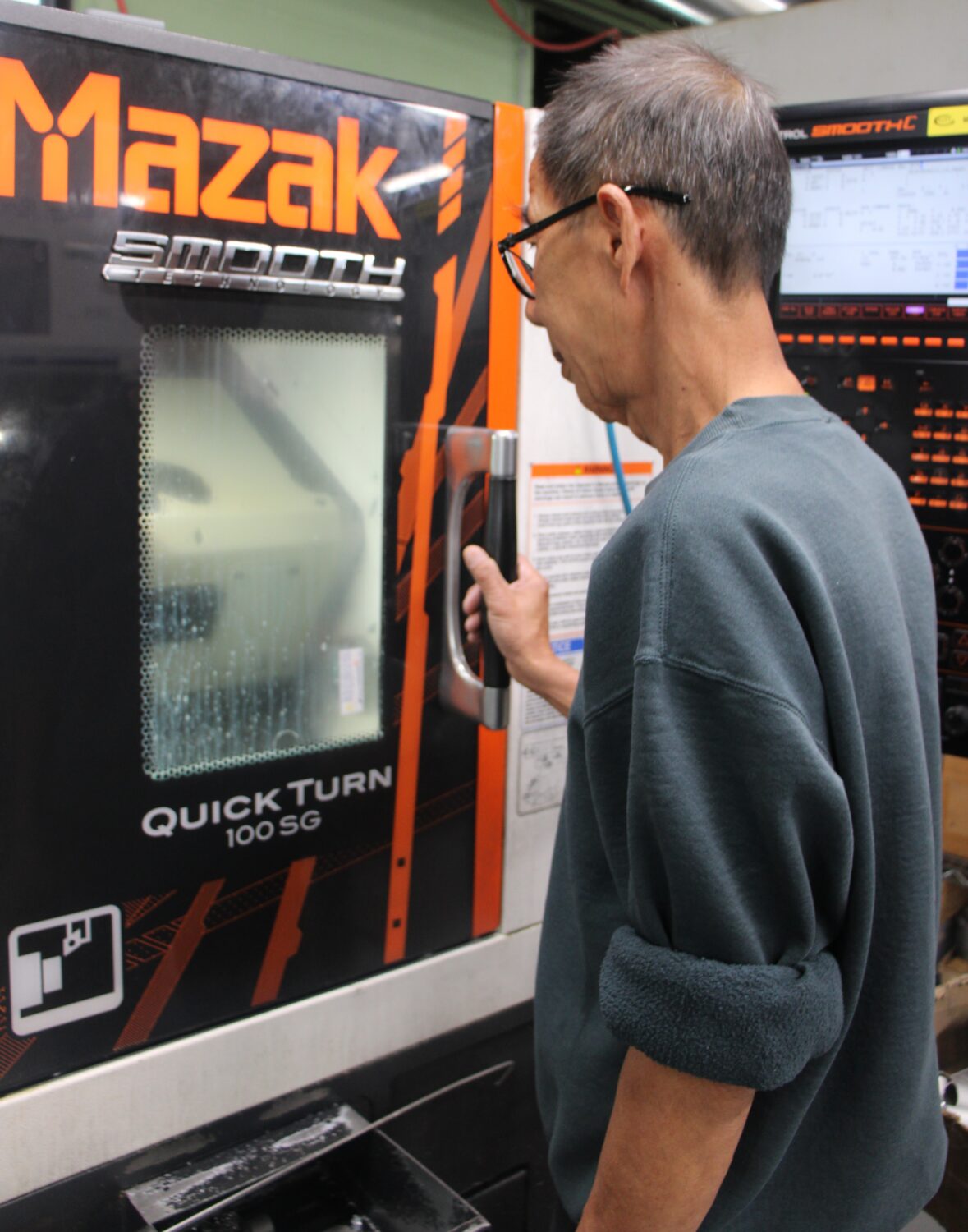
| (2) Mazak SG-1 | 2-Axis Lathe | 8” Diameter Capacity |
(11) Milling Centers
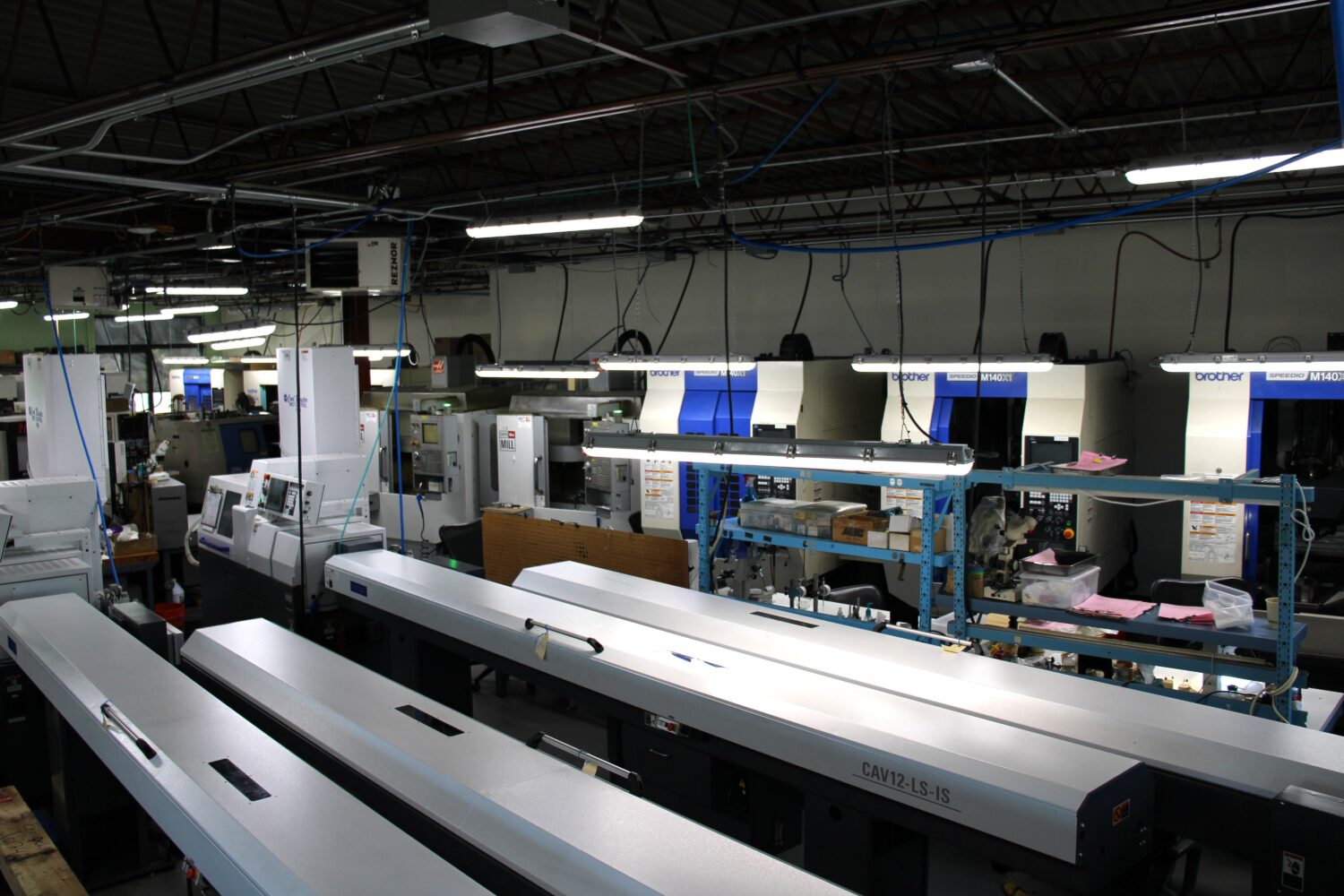
| (3) Brother M140X1 | 5-Axis Milling Center | 6” x 7.5” x 17” capacity |
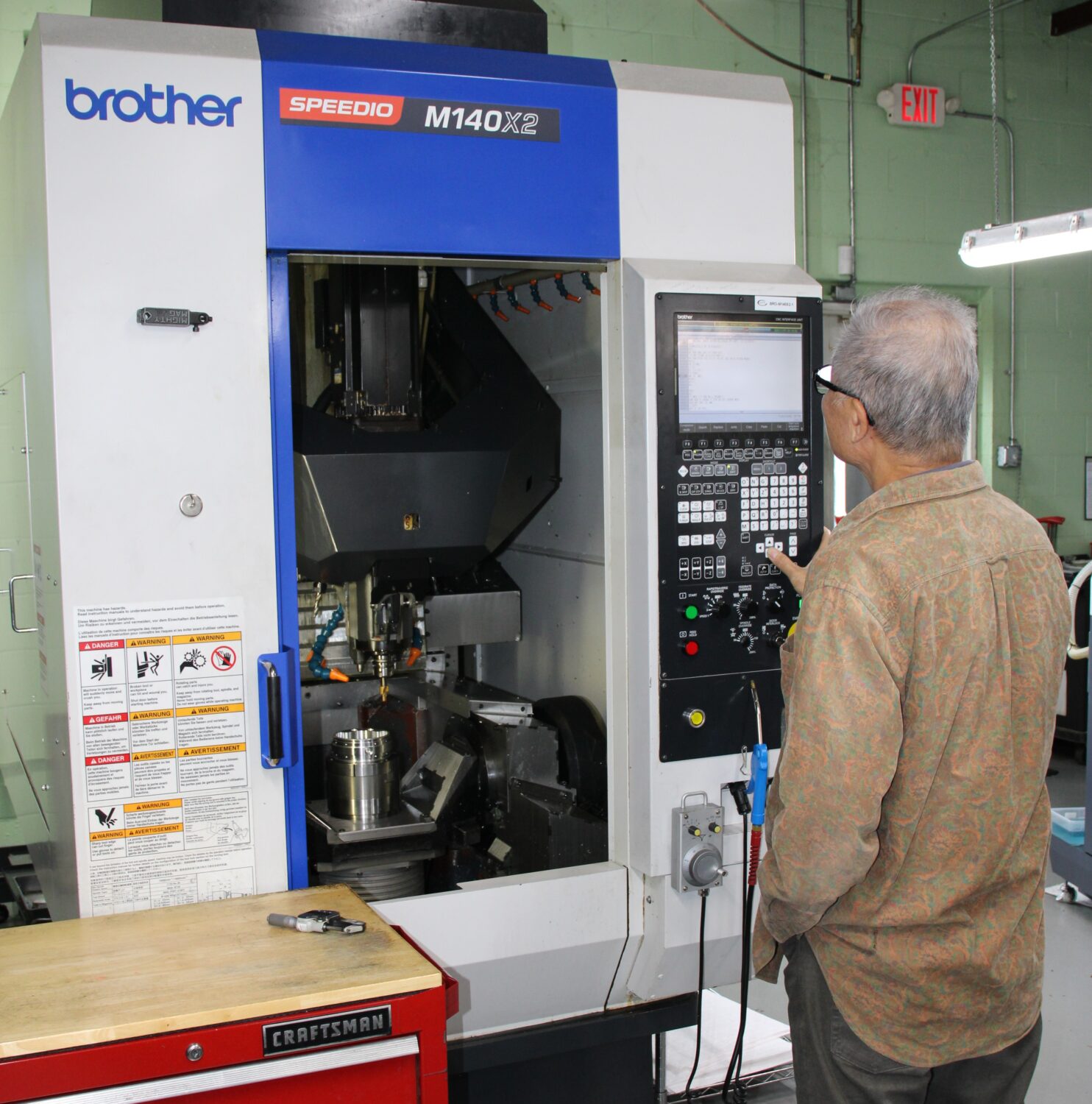
| (1) Brother M140X2 | 5-Axis Milling Center | 6” x 7.5” x 17” capacity |
| (3) Brother S500X1 | 4-Axis Milling Center | 6” x 19” x 15” capacity |
| (2) Brother TCS2B | 4-Axis Milling Center | 6” x 18” x 14” capacity |
| (1) HAAS VF-2 | 4-Axis Milling Center | 6” x 30” x 16” capacity |
| (1) HAAS DM-1 | 4-Axis Milling Center | 6” x 20” x 16” capacity |
Inspection Equipment
| (3) MicroVu Vertex 251 | CMM with Optical & Touch Probe Measurement |
| (1) Keyence IM-7020 | CMM with Optical & Touch Probe Measurement |
| (1) Dorsey 16H-M2E | Optical Comparator |
| (1) Deltronic DH216 | Optical Comparator |
| (1) Mitutoyo PJ2010A | Optical Comparator |
| (1) Nikon MM-200 | Measuring Microscope |
| (1) Mitutoyo MF-A2017D | Measuring Microscope |
| (2) Mitutoyo MM-1 | Measuring Microscope |
Cleaning Equipment
| (1) Aquas Oasis Custom Bath | Deionized Water Heated Bath |
| (1) Aquas Oasis Tap System | Deionized Water Heated Bath |
| (2) Pro Ultrasonics Pro2013D | Ultrasonic Cleaner |
| (1) L&R Ultrasonics Quantrex 0310 | Ultrasonic Cleaner |
| (1) Branson 2800 | Ultrasonic Cleaner |
Our Equipment
FAQs
Don’t see your question? Contact us.
How do I know if my part should run on a CNC mill or a lathe?
It mostly depends on your part’s geometry. Our engineers will analyze your drawing and model and choose the right process for your part. Generally, a cylindrical, symmetrical part would work best on a CNC lathe; if your part has a flat or more complex design, a CNC mill is probably the better option.
Why are some lathes called “Swiss lathes?”
The design of Swiss lathes originated in the 1870s with a Swiss watchmaker named Jakob Schweizer. All Swiss lathes have a moving headstock and guide bushing in order to consistently machine extremely small, high precision parts. Swiss lathes have evolved significantly since then and are used in many industries, including medical device manufacturing, automotive, aerospace, and electronics.
What does “4-axis” or “7-axis” mean when it comes to machining centers?
In machining, an “axis” refers to the direction of linear and/or rotational movement available to the cutting tool or workpiece. A 4-axis machine is able to move in another direction (usually rotational) in addition to the standard X, Y, and Z linear axes. A 9-axis machine uses a secondary spindle and turret to combine both 4-axis and 5-axis milling capabilities. Both of these multi-axes setups are highly efficient and can complete parts in a single operation.
How do you qualify machines before they’re put into production?
We perform an installation qualification (IQ) on every piece of manufacturing equipment that is brought into the facility. Our qualification process is compliant with ISO 9001 and ISO 13485. We ensure our machines continue to perform as expected through a system of documented regular maintenance and calibration.
Is CNC machining right for my application?
If you need to mill, drill, and cut high precise components in large quantities, CNC machining is probably right for you! Using CNC (Computer Numerical Control) ensures our tools cut the exact same way every single time because a computer makes precise, consistent movements leading to maximum accuracy and repeatability.
Do you have a maintenance program for your equipment?
Yes! We follow industry best practices in updating and servicing our equipment. We use Fluke’s “eMaint” software package to plan and document any maintenance activities. In addition to our ISO-certified maintenance program, every run is monitored by both skilled employees and backup systems, ensuring machines are performing optimally and tools are changed well before they’re worn out.